Whole-Food Focus
Learn to build meals around minimally processed, nutrient-dense ingredients that are kind to both your body and your wallet.
Practical guidance for building balanced, nourishing meals on a realistic budget. No fads, no restrictions — just smart everyday nutrition strategies.
Simple, evidence-informed approaches to make nutritious food accessible and affordable for every household.
Learn to build meals around minimally processed, nutrient-dense ingredients that are kind to both your body and your wallet.
Structured weekly planning techniques that reduce waste, maximize variety, and keep your grocery spending predictable.
Approachable strategies designed for real life — busy schedules, varied tastes, and everyday cooking confidence.
Practical frameworks to stretch your food budget while maintaining nutritional balance across every meal.
Understanding simple principles to compose nourishing plates without complicated rules or calorie counting.
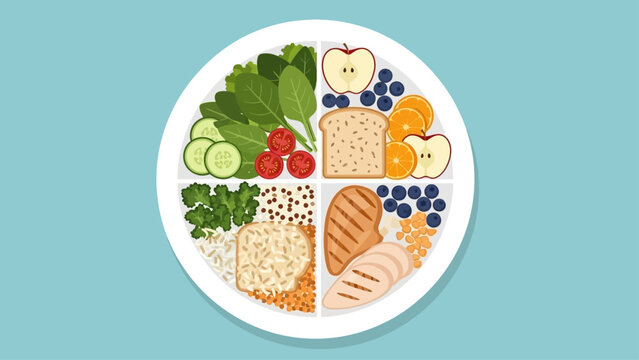
Fill half your plate with vegetables, a quarter with whole grains, and a quarter with protein. A visual approach that works without measuring.
Different colors represent different nutrients. Aim for variety across the week rather than perfection in every single meal.
Consistent, relaxed eating patterns can fit more comfortably into your daily routine. Find a rhythm that suits your lifestyle — not someone else's schedule.
Everyday pantry staples that combine into balanced, satisfying meals for the whole family.
Structured but flexible frameworks to keep your meals varied, your fridge organized, and your budget on track.
Rotate your protein sources across the week: legumes on Monday and Wednesday, eggs on Tuesday, fish on Thursday, poultry on Friday. Weekends are flexible — use leftovers creatively or try a new recipe. Pair every protein with seasonal vegetables and a whole grain for balanced nutrition.
Prevent food waste by rotating your fresh ingredients. Use the most perishable items early in the week. Frozen and dried staples anchor the second half. This rhythm keeps variety high and waste minimal — saving both money and effort.
Recognize and avoid the most frequent pitfalls that make nutritious eating feel more expensive than it needs to be.
Impulse buying is a common budget leak. A 10-minute planning session before each shop can help reduce unnecessary spending over time.
Enthusiasm for fresh produce leads to waste when portions are too large. Buy smaller amounts more frequently, or freeze surplus immediately.
Rice, lentils, oats, canned tomatoes — these affordable staples form the foundation of dozens of nutritious meals when combined thoughtfully.
Examples of experiences from people who adopted smarter grocery and meal-planning habits. Individual results vary.
The weekly planning framework completely changed how I approach grocery shopping. I spend less time in the store and feel more organized throughout the week.
I used to think balanced eating required expensive ingredients. These consultations showed me how pantry staples can create genuinely satisfying meals.
As a busy parent, the batch-prep strategies were especially helpful. Simple techniques that save time and support balanced meals throughout the week.
These comments are examples of individual experiences. Results vary and are not guaranteed.
Clear answers to common questions about our nutrition consultation services.
Each session covers your current eating patterns, budget constraints, lifestyle needs, and personal preferences. You receive a tailored weekly meal framework, a grocery list template, and practical tips for sustainable balanced eating.
Not at all. Our approach is about flexibility and balance — not restriction. We focus on building positive habits and making nutritious choices more accessible within your existing routine.
Savings depend on your current habits, store prices, and household size. Many clients find it easier to reduce waste and shop more strategically, which may help lower weekly grocery spending over time.
Absolutely. Our strategies are designed with families in mind — flexible, kid-friendly meal ideas that balance nutrition with practical household realities.
Consultations are available online via video call or in person at our Sofiemyr location. Sessions typically last 45-60 minutes and can be scheduled at your convenience.
All materials and practices presented are educational and informational in nature and are aimed at supporting general well-being. They do not constitute medical diagnosis, treatment, or recommendation. Before applying any practice, especially if you have chronic conditions, consult a physician.